The Best Time for Tanzanian Wildlife Tours: A Seasonal Guide
If you're planning a wildlife tour in Tanzania, timing your visit is crucial to maximize the experience. Each season offers unique opportunities and challenges, so understanding the best time to visit can make all the difference. Here's a detailed guide to help you plan your adventure.
Understanding Tanzania's Seasons
Tanzania experiences two main seasons: the dry season and the wet season. Each brings its own distinct advantages for wildlife enthusiasts. The dry season, typically from June to October, is often considered the best time for game viewing. During this period, animals gather around waterholes, making them easier to spot.
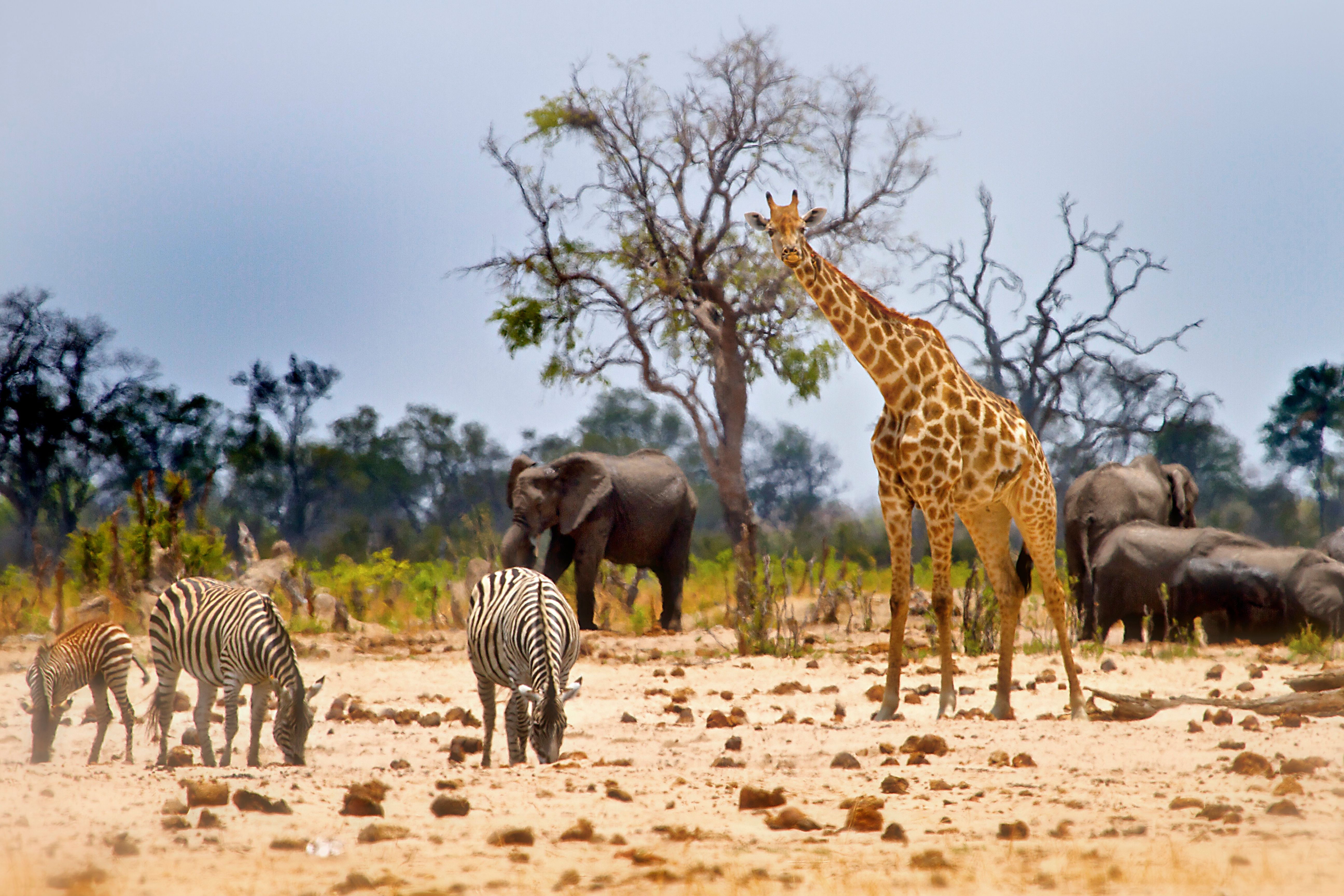
The wet season, spanning November to May, is divided into the short rains (November to December) and the long rains (March to May). While it may seem less appealing, the wet season has its own charm with lush landscapes and fewer tourists. This period is also the best time for bird watching, as migratory birds flock to the region.
The Dry Season: Peak Game Viewing
June to October
During the dry season, the Serengeti National Park and Ngorongoro Crater are prime locations for wildlife tours. The vegetation is sparse, providing clear views of the animals. This is also when the Great Migration occurs, with thousands of wildebeests and zebras making their way across the plains.
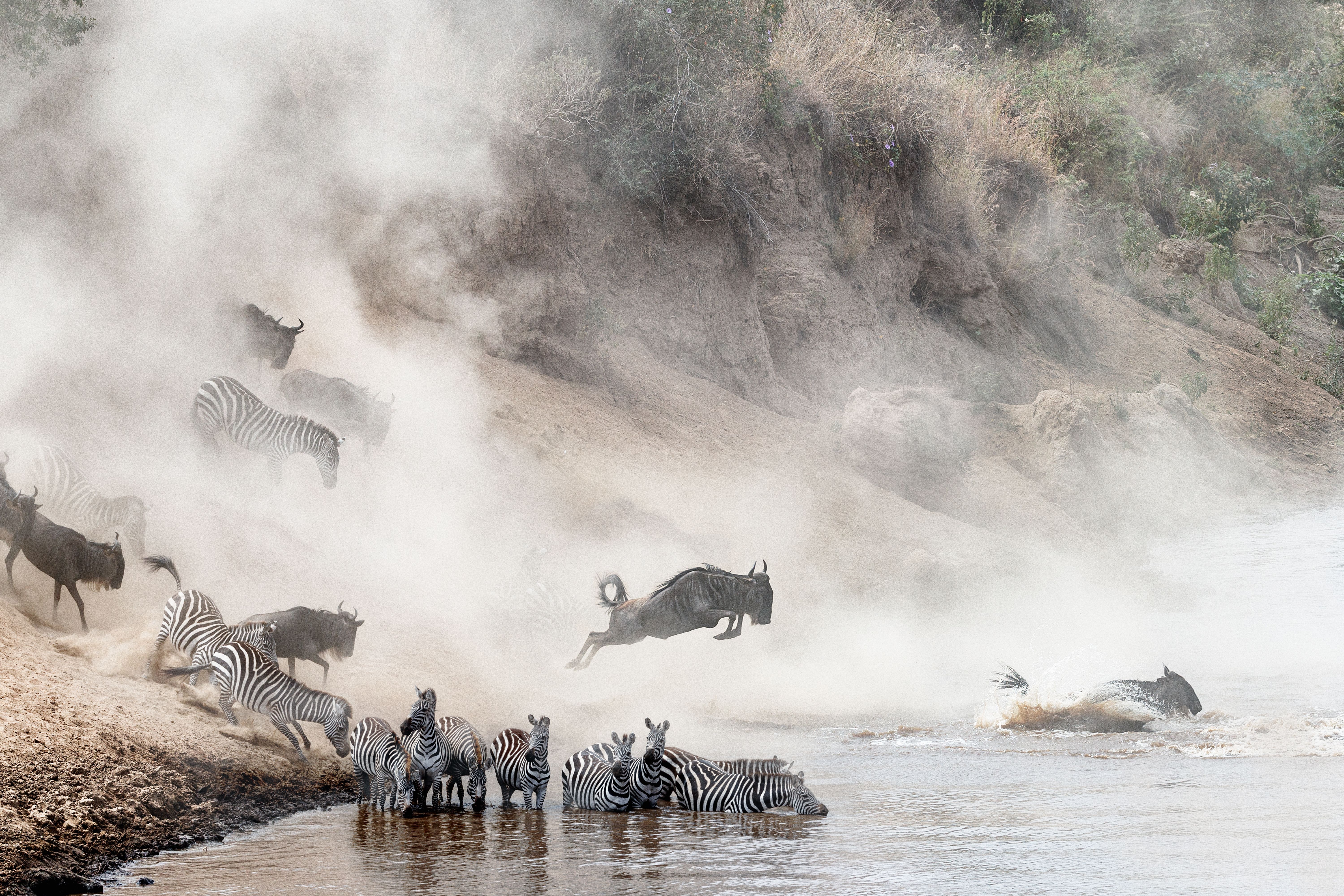
Visitors can expect pleasant weather with minimal rainfall. However, this is the peak tourist season, so parks can be crowded, and prices may be higher. It's advisable to book accommodations and tours well in advance.
The Wet Season: A Lush Experience
November to May
The wet season transforms Tanzania's landscapes into a vibrant, green paradise. While the long rains might deter some travelers, the short rains are more manageable and still allow for excellent wildlife viewing. This season is particularly ideal for photographers looking to capture stunning scenery.

Wildlife is more dispersed during this time, but the calving season in January and February offers a chance to see newborn animals, including wildebeests and zebras. The wet season also means fewer tourists, providing a more intimate and relaxed experience.
Special Considerations
When planning your visit, consider the specific wildlife and experiences you wish to encounter. For those interested in the Great Migration, the best time is between June and September, while bird watchers will find November to April more rewarding.
- June to October: Best for the Great Migration and general wildlife viewing.
- November to May: Ideal for bird watching and witnessing the calving season.
Regardless of when you visit, Tanzania offers a spectacular array of wildlife and natural beauty. Whether you prefer the bustling activity of the dry season or the serene landscapes of the wet season, there's something for every adventurer.