How Virtual Reality is Transforming Tanzanian Safari Experiences
Introduction to Virtual Reality Safaris
The world of travel is evolving, and with it, the way we experience the wonders of nature. In Tanzania, known for its breathtaking safaris, virtual reality (VR) is opening new doors for both tourists and wildlife enthusiasts. This technology is transforming traditional safari experiences, making them more accessible and immersive.
Through VR, people can now explore the vast landscapes of the Serengeti or witness the Great Migration without ever setting foot in Africa. This innovation is not only expanding the reach of Tanzanian safaris but also enhancing the way we connect with wildlife.
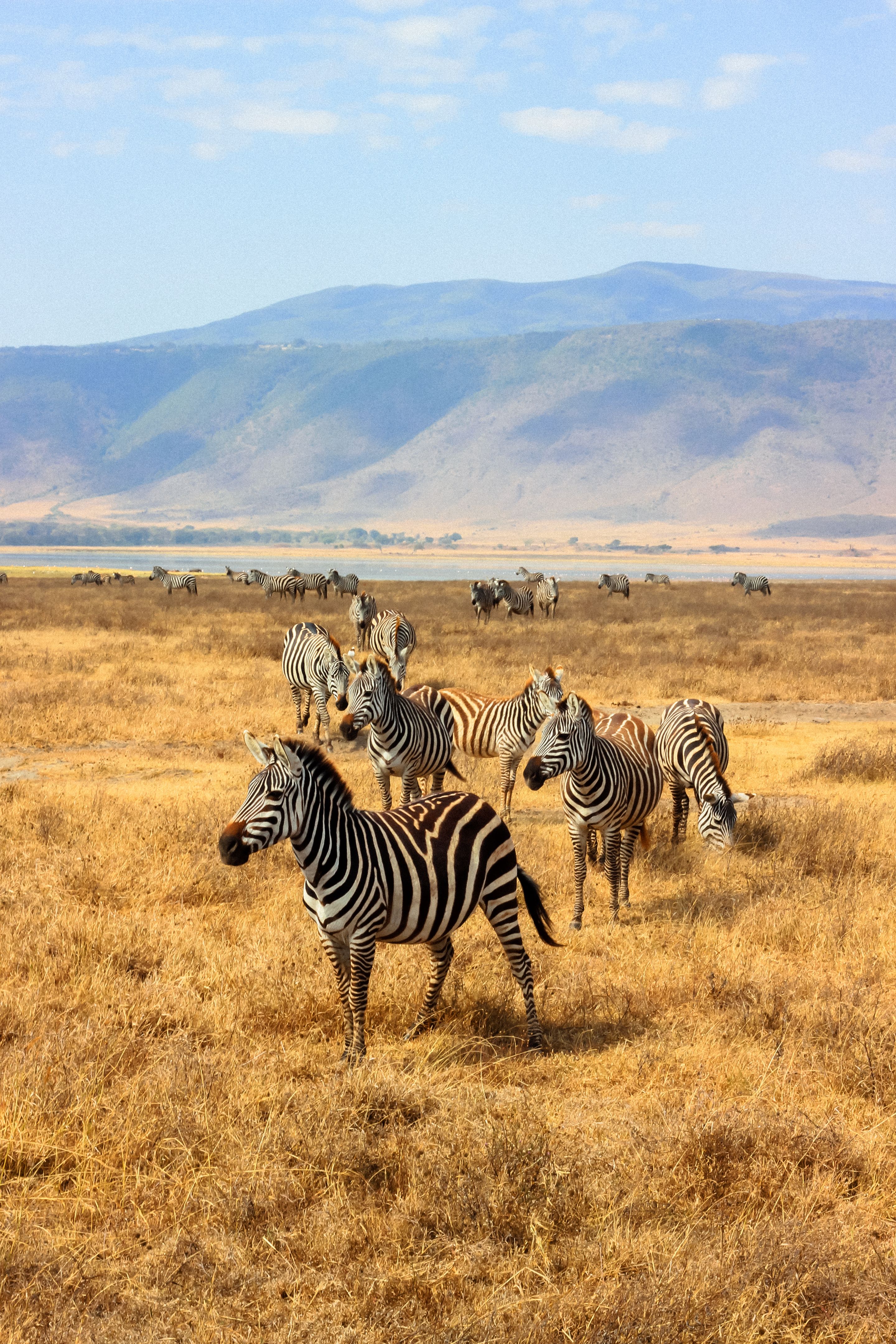
Immersive Wildlife Encounters
One of the most significant benefits of VR in safari experiences is the level of immersion it offers. Users can feel as though they are standing amidst a herd of elephants or watching lions in their natural habitat. The 360-degree view provides a sense of presence that traditional videos and photographs cannot match.
With the help of high-quality visuals and spatial audio, each sound and sight is designed to replicate a real-life safari. This allows users to engage with the environment in a uniquely personal way, fostering a deeper appreciation for Tanzania's diverse wildlife.
Accessibility for All
Virtual reality safaris are breaking down barriers, making these extraordinary experiences accessible to a broader audience. People who may not have the means or physical ability to travel to Tanzania can now enjoy the rich biodiversity and stunning landscapes from their own homes.
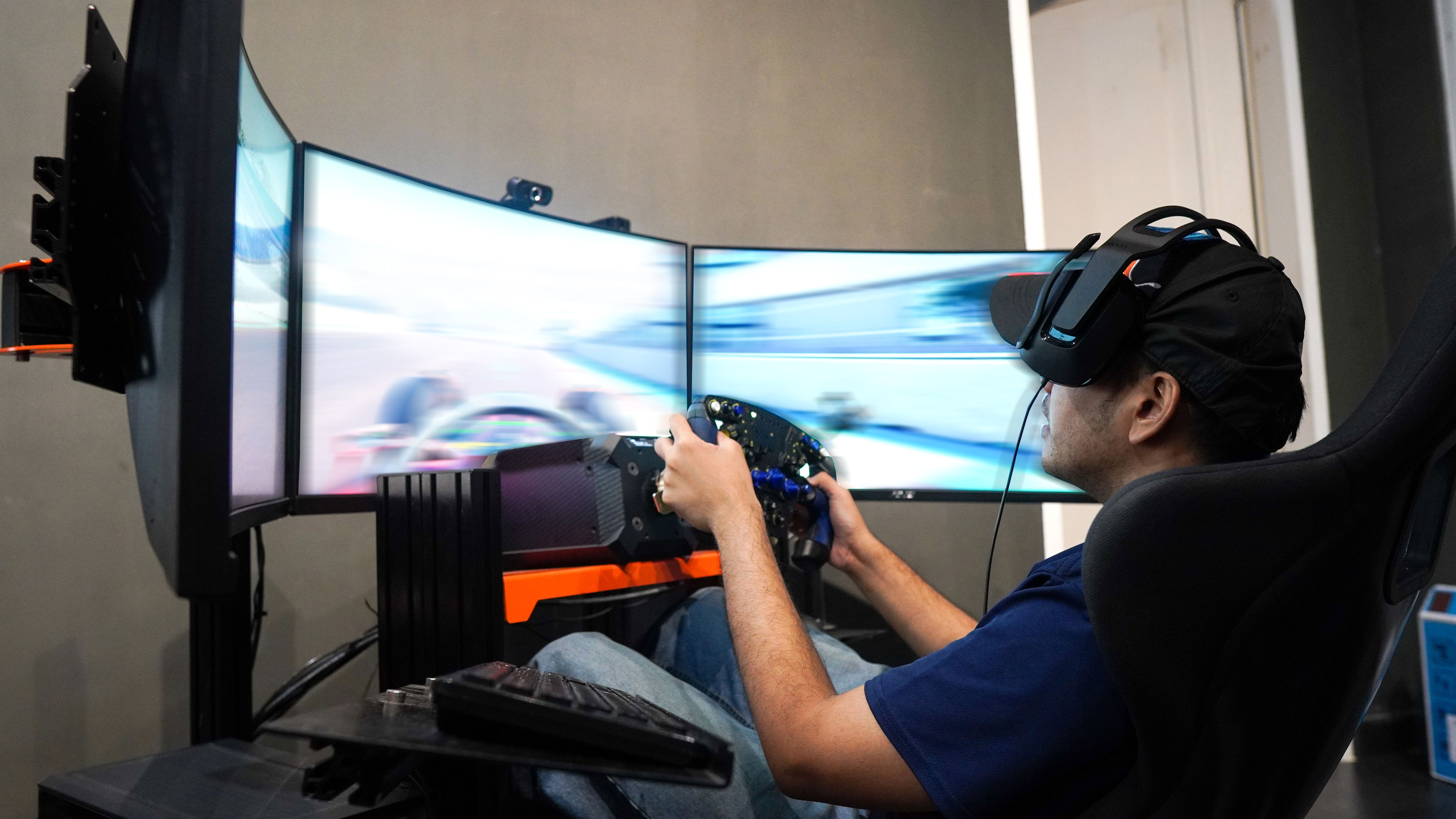
This level of accessibility also extends to educational purposes. Schools and institutions can incorporate VR safaris into their curriculums, providing students with a firsthand look at ecosystems and conservation efforts.
Supporting Conservation Efforts
Beyond enhancing tourist experiences, VR plays a crucial role in conservation. By raising awareness and fostering a connection with wildlife, these virtual experiences can inspire more people to support conservation initiatives.
Additionally, VR can be used to document and monitor wildlife, aiding researchers and conservationists in their efforts to protect endangered species. This innovative approach is contributing to sustainable tourism and wildlife preservation in Tanzania.

Challenges and Future Prospects
While the integration of VR in safari experiences is promising, it does come with challenges. The technology requires significant investment, and creating high-quality content can be resource-intensive. However, as technology advances and becomes more affordable, these hurdles are likely to diminish.
The future of VR in Tanzanian safaris is bright, with potential expansions into augmented reality and interactive experiences. These developments could further enrich the virtual journey, offering even more dynamic and engaging content.
Conclusion
Virtual reality is revolutionizing the way we experience Tanzanian safaris, blending the thrill of adventure with cutting-edge technology. As this trend continues to grow, it promises to bring the beauty and majesty of Tanzania's wildlife to a global audience, inspiring a new generation of conservationists and nature lovers.