How to Plan the Ultimate Tanzanian Safari: A Step-by-Step Guide
Determine the Best Time to Visit
Choosing the right time for your Tanzanian safari is crucial. The dry season, from late June to October, is often considered the best time for a safari. During these months, the weather is pleasant, and wildlife is easier to spot around water sources. However, the wet season, from November to May, offers lush landscapes and fewer crowds, with the added bonus of witnessing the calving season in the Serengeti.
Select Your Destinations
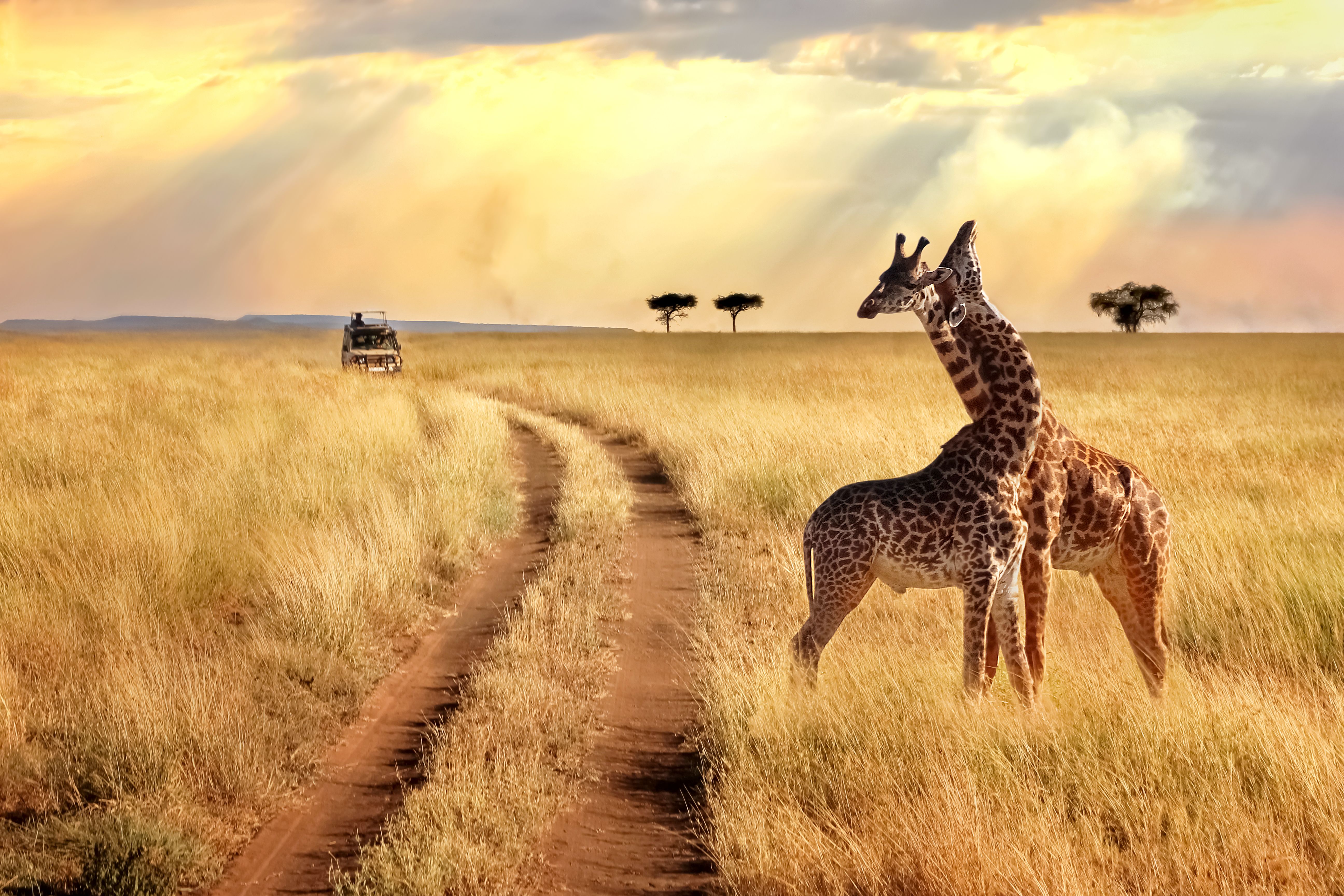
Tanzania is home to several renowned national parks and reserves. The Serengeti National Park is famous for the Great Migration, where millions of wildebeest and zebras traverse the plains. The Ngorongoro Crater offers a stunning backdrop and diverse wildlife, while Tarangire National Park is known for its large elephant herds and baobab trees.
Consider combining your safari with a visit to other attractions, such as the idyllic beaches of Zanzibar or the majestic Mount Kilimanjaro. This way, you can experience the diverse landscapes and cultures that Tanzania has to offer.
Choose the Right Safari Style
Your safari experience can be tailored to fit your preferences and budget. Popular options include:
- Luxury Safaris: These provide top-notch accommodations, gourmet meals, and personalized services.
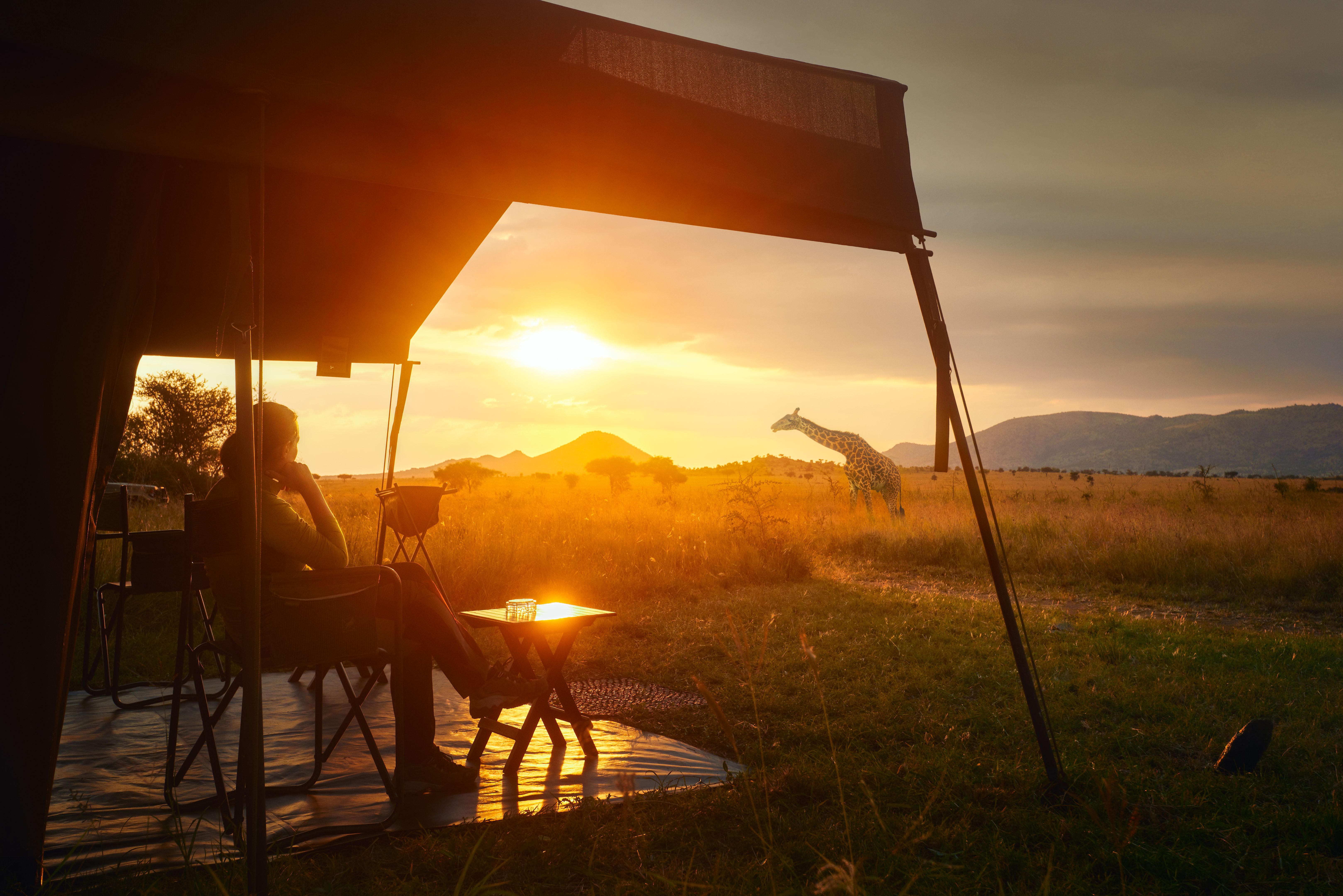
- Mobile Camp Safaris: For a more immersive experience, these camps move with the wildlife, offering a closer connection to nature.
- Budget Camping Safaris: Perfect for adventurous travelers, these offer a more rustic experience with basic amenities.
Plan Your Itinerary
Once you have chosen your destinations and style, it's time to plan your itinerary. Consider the length of your trip and how much time you want to spend in each location. A typical safari lasts 7-10 days, allowing you to explore multiple parks and reserves.
Work with a trusted tour operator who can help customize your itinerary to match your interests, whether it's wildlife photography, bird watching, or cultural experiences.
Pack Smartly
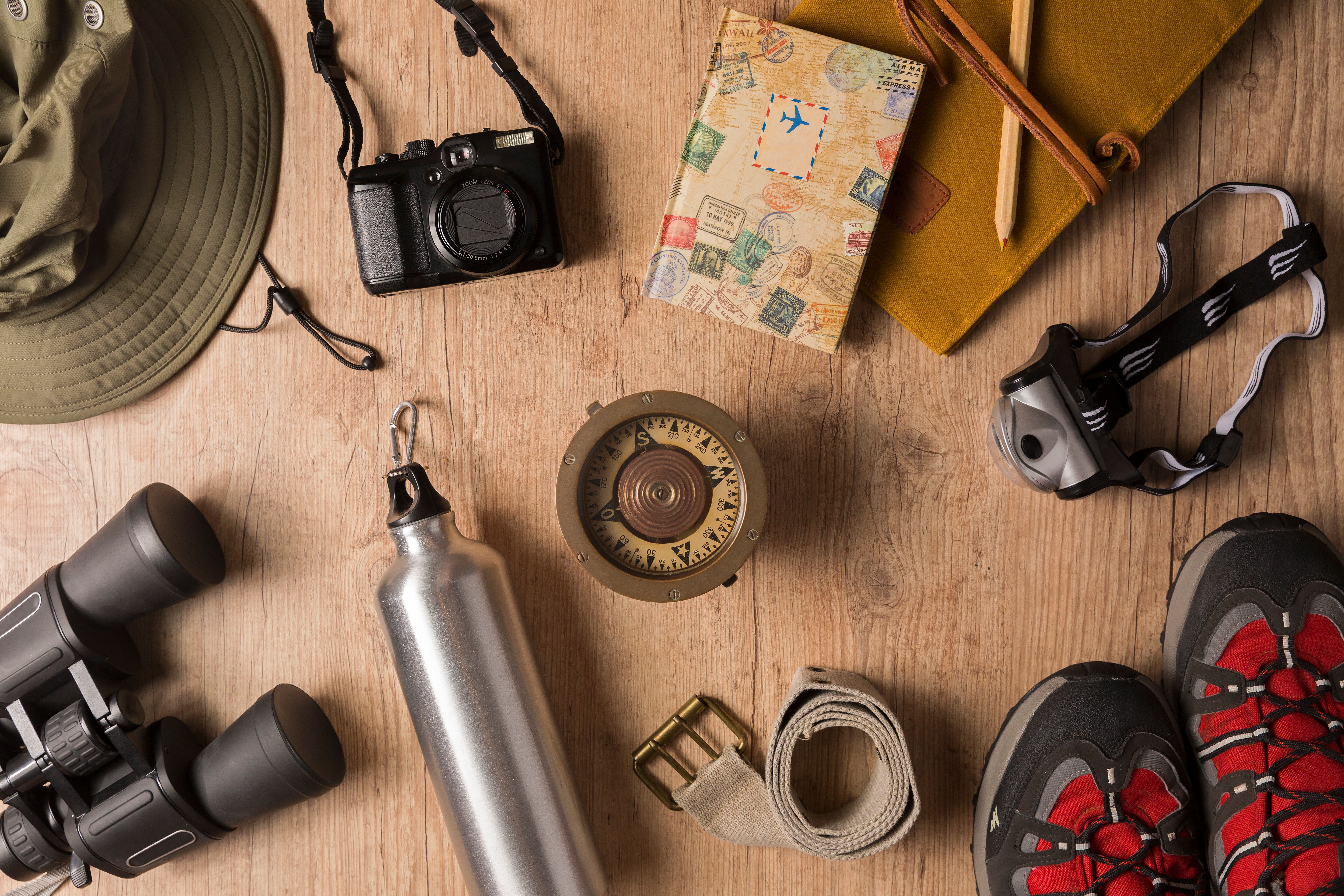
Packing for a safari requires careful consideration of the climate and activities. Opt for light, breathable clothing in neutral colors to blend into the surroundings. Don't forget essentials like sunscreen, a hat, and a good pair of binoculars.
Remember to pack any necessary medications and a basic first aid kit. Most importantly, bring a camera to capture the unforgettable moments you'll encounter on your journey.
Understand the Wildlife
Before embarking on your safari, take some time to learn about the diverse wildlife you'll encounter. Understanding animal behavior can enhance your experience and help you appreciate the delicate ecosystems of the savannah.
Guides often provide insights into the habits and habitats of animals like lions, elephants, and giraffes, enriching your adventure with fascinating stories and facts.
Respect Local Cultures
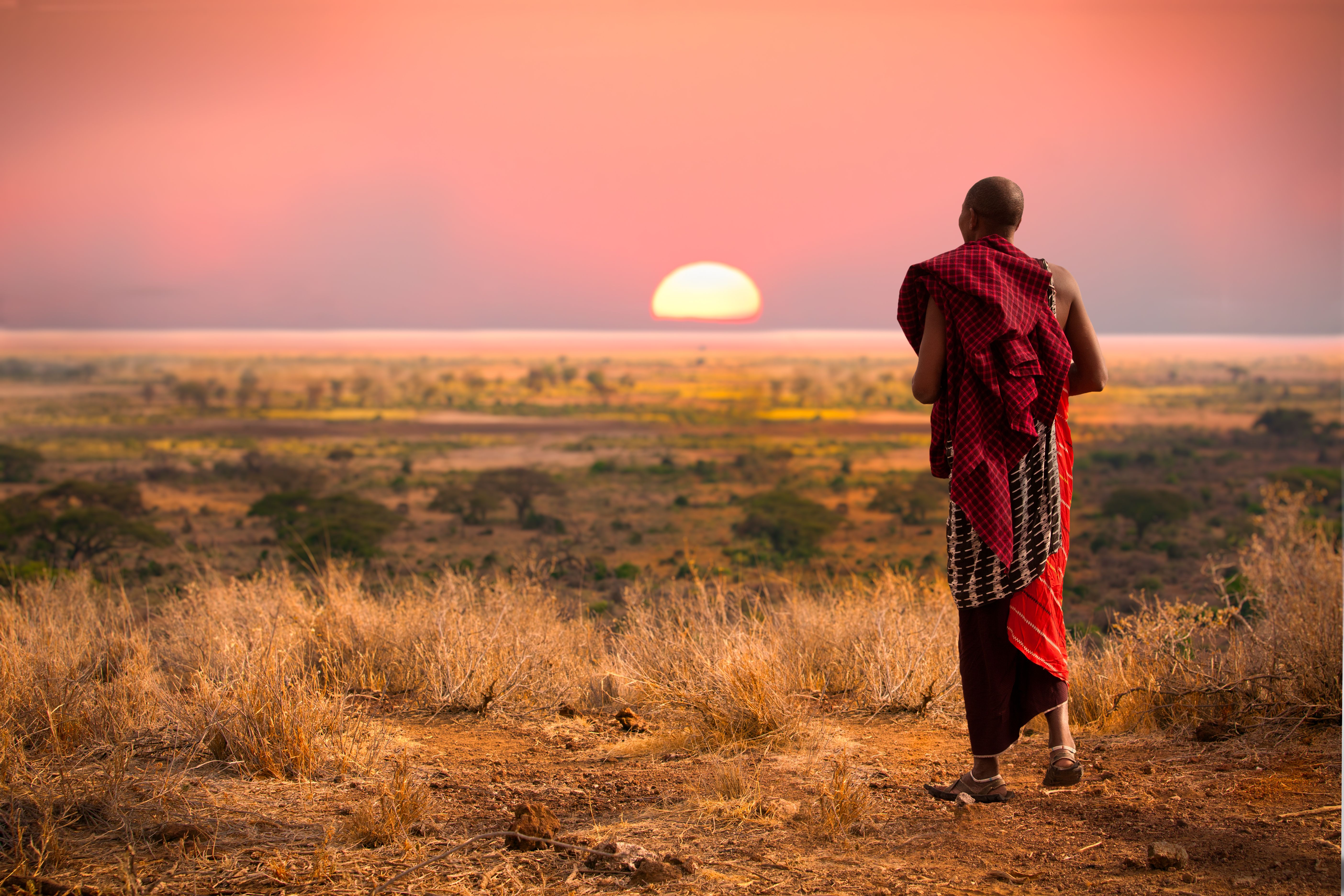
Tanzania is home to over 120 ethnic groups, each with its own unique traditions and customs. Engage with local communities and learn about their way of life, but always do so respectfully. Support local businesses and artisans by purchasing handmade crafts and souvenirs.
By showing respect and appreciation for the local culture, you contribute to sustainable tourism and help preserve Tanzania's rich cultural heritage.