Discovering Tanzania: A Guide to Cultural Exploration Tours
Introduction to Tanzania's Cultural Riches
Tanzania, a country renowned for its stunning landscapes and vibrant wildlife, offers travelers a unique opportunity to delve into its rich tapestry of cultures. From the bustling streets of Dar es Salaam to the tranquil villages of the Maasai, cultural exploration tours invite you to experience the heart and soul of this East African gem.

The Maasai Experience
One of the highlights of any cultural tour in Tanzania is visiting the Maasai communities. Known for their distinctive red shukas and intricate beadwork, the Maasai people have preserved their traditional way of life for centuries. Visitors can engage in activities such as traditional dances, bead-making, and storytelling by the elders, providing a deep insight into their customs and beliefs.
Participating in Maasai Ceremonies
Attending a Maasai ceremony is a profound experience. These ceremonies mark significant life events and are characterized by rhythmic dances and chants. Participating in or observing these events offers a unique glimpse into the spiritual and social fabric of the Maasai.
Exploring Swahili Culture
The coastal areas of Tanzania are the cradle of Swahili culture, a rich blend of African, Arab, and Indian influences. Cities like Zanzibar and Bagamoyo are steeped in history, with ancient architecture and bustling markets that tell tales of a vibrant trading past. Walking through Zanzibar’s Stone Town, a UNESCO World Heritage site, is like stepping back in time.
Culinary Delights
Swahili cuisine is a feast for the senses, characterized by aromatic spices, fresh seafood, and tropical fruits. Participating in a cooking class or dining with a local family allows travelers to taste authentic dishes such as pilau and biryani, enhancing their cultural immersion.
Engaging with Local Artisans
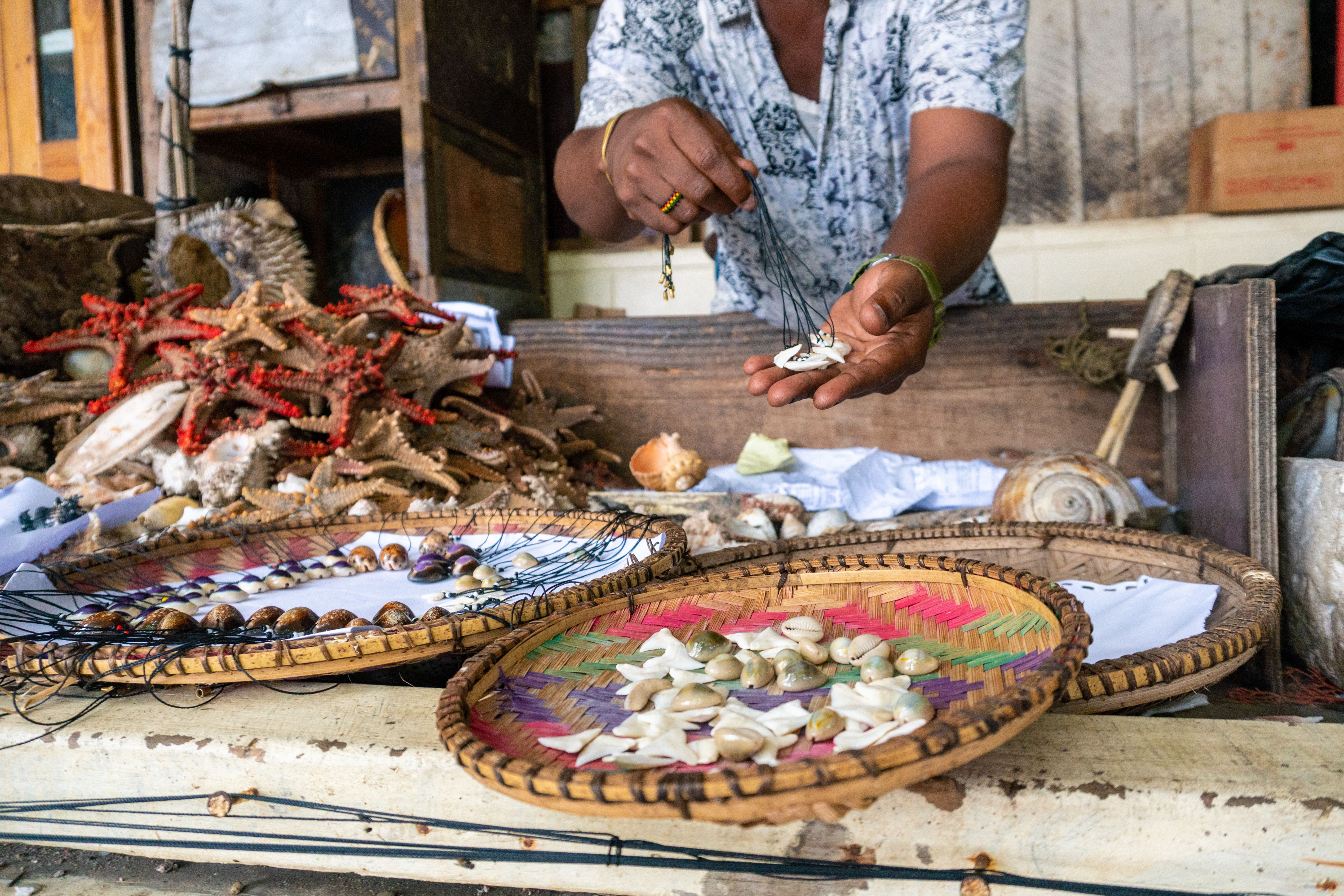
Tanzania’s artisans are masters of their craft, producing everything from intricate wood carvings to vibrant textiles. Visiting local workshops and participating in hands-on crafting sessions can be a rewarding experience, offering insight into the skills and traditions passed down through generations.
Supporting Sustainable Tourism
By engaging with local artisans, travelers contribute to sustainable tourism, supporting communities and preserving traditional crafts. Purchasing handmade goods directly from the artisans ensures that they receive fair compensation for their work.

Conclusion
Exploring Tanzania through cultural tours offers a unique and enriching experience, providing a deeper understanding of the diverse traditions and lifestyles that make up this fascinating country. Whether you're dancing with the Maasai, savoring Swahili dishes, or crafting with local artisans, each moment in Tanzania is a step closer to understanding its rich cultural mosaic.